

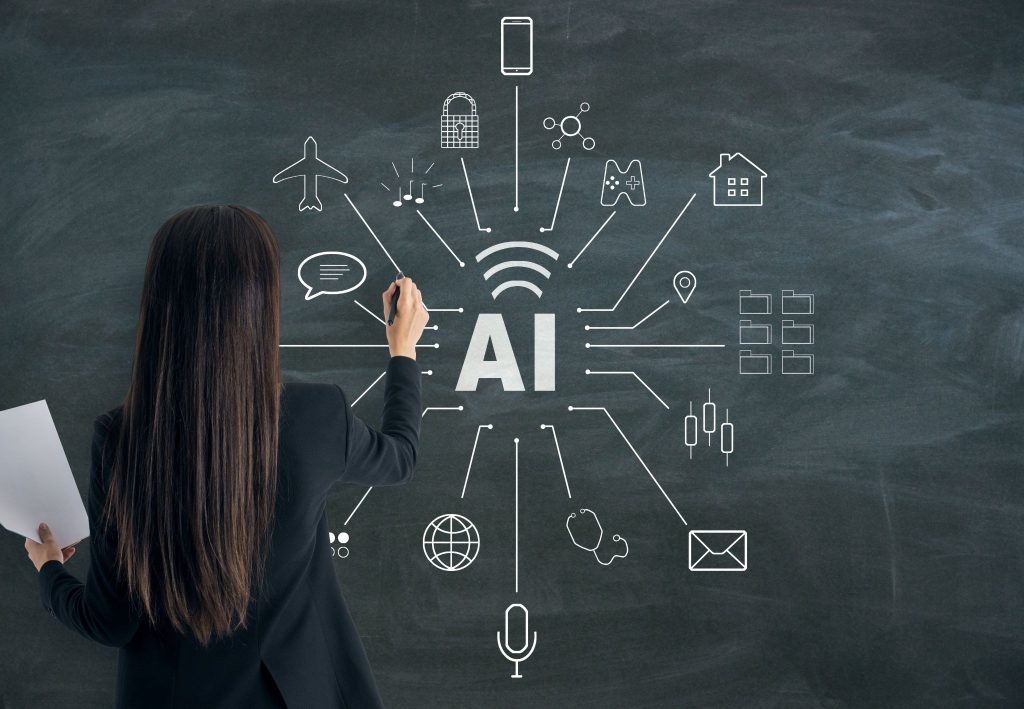
Education has always evolved with technology, but the rise of artificial intelligence marks a turning point unlike any before. Classrooms are no longer limited to textbooks, lectures, and traditional assessments. Instead, they are becoming dynamic environments where intelligent systems support both teachers and students in meaningful ways. AI tools in education are not just about automation; they are about creating smarter, more responsive learning experiences that adapt to individual needs.
At its core, artificial intelligence in education refers to systems that can analyze data, recognize patterns, and make decisions that enhance the learning process. These tools bring a sense of personalization and efficiency that was once difficult to achieve in traditional classrooms. As a result, education is becoming more inclusive, flexible, and engaging.
Understanding What AI Tools Really Mean
AI tools are software applications or platforms that use machine learning, natural language processing, and data analytics to perform tasks that typically require human intelligence. In education, these tools assist with teaching, learning, assessment, and administration.
From Automation to Intelligent Assistance
Early educational technologies focused on simple automation, such as grading quizzes or delivering online content. Today’s AI tools go much further. They can analyze student behavior, predict learning outcomes, and provide tailored recommendations. This shift transforms technology from a passive resource into an active participant in the learning process.
The Role of Data in AI-Driven Learning
AI systems rely on data to function effectively. By analyzing patterns in student performance, these tools can identify strengths, weaknesses, and learning preferences. This data-driven approach allows educators to make informed decisions and provide targeted support.
Personalization: The Heart of AI in Education
One of the most significant advantages of AI tools in education is their ability to personalize learning. Every student learns differently, and AI makes it possible to adapt educational content to individual needs.
Tailoring Learning Paths for Students
-
Adaptive learning systems that adjust difficulty based on performance
-
Personalized recommendations for study materials
-
Real-time feedback to guide improvement
-
Customized pacing that matches individual progress
This level of personalization helps students stay engaged and motivated, as they are neither overwhelmed nor bored.
Supporting Diverse Learning Styles
Students have different ways of understanding information. Some prefer visual content, while others learn better through text or interaction. AI tools can present information in multiple formats, ensuring that each student receives content in a way that suits them best.
Enhancing Teaching Through Intelligent Support
AI is not replacing teachers; it is enhancing their capabilities. By handling repetitive tasks and providing insights, AI allows educators to focus on what matters most: teaching and mentoring.
Automating Administrative Tasks
Teachers often spend a significant amount of time on administrative work, such as grading and attendance tracking. AI tools can automate these tasks, freeing up time for more meaningful interactions with students.
Providing Insights for Better Instruction
AI systems can analyze classroom data to identify trends and patterns. This information helps teachers understand which topics students struggle with and adjust their teaching methods accordingly.
Transforming Assessment and Feedback
Assessment is a critical part of education, but traditional methods often lack immediacy and personalization. AI tools are changing this by providing faster and more detailed feedback.
Real-Time Evaluation
-
Instant grading of assignments and quizzes
-
Immediate feedback on errors and improvements
-
Continuous assessment through learning activities
-
Data-driven insights into student progress
Real-time feedback helps students understand their mistakes and learn from them immediately, improving overall performance.
Moving Beyond Standardized Testing
AI enables more dynamic forms of assessment that go beyond traditional exams. It can evaluate problem-solving skills, creativity, and critical thinking, offering a more comprehensive view of student abilities.
AI-Powered Learning Environments
Modern classrooms are increasingly integrating AI to create interactive and engaging learning environments. These tools make education more immersive and accessible.
Virtual Tutors and Assistants
AI-powered tutors provide additional support outside the classroom. They can answer questions, explain concepts, and guide students through complex topics. This continuous support enhances learning and reduces dependency on scheduled class time.
Interactive and Immersive Experiences
AI can power simulations, virtual labs, and interactive lessons that make learning more engaging. These experiences allow students to explore concepts in a hands-on manner, deepening their understanding.
Bridging Gaps in Education Access
AI tools have the potential to make education more accessible to students around the world. They can overcome barriers related to location, language, and resources.
Expanding Learning Opportunities
Students in remote or underserved areas can access high-quality educational content through AI-powered platforms. This democratization of education ensures that more people have the opportunity to learn and grow.
Supporting Language and Communication
AI tools can translate content and provide language support, making education accessible to students who speak different languages. This inclusivity fosters a more diverse and global learning environment.
Challenges and Ethical Considerations
While AI offers many benefits, it also raises important challenges that must be addressed to ensure responsible use.
Data Privacy and Security
-
Protecting student data from misuse
-
Ensuring transparency in data collection
-
Maintaining ethical standards in AI systems
-
Balancing innovation with privacy concerns
Safeguarding data is essential to building trust and ensuring that AI tools are used responsibly.
Avoiding Over-Reliance on Technology
While AI can enhance learning, it should not replace human interaction. Education is not just about information but also about relationships, empathy, and communication. Maintaining this balance is crucial.
The Future of AI Tools in Education
The future of education is closely tied to the continued development of AI technologies. As these tools become more advanced, they will offer even greater possibilities for personalized and effective learning.
Continuous Innovation and Adaptation
AI systems will continue to evolve, becoming more accurate and intuitive. This will lead to more sophisticated learning experiences that adapt seamlessly to student needs.
Preparing Students for a Digital World
By integrating AI into education, students gain exposure to technologies that are shaping the future. This prepares them for careers in a rapidly changing world.
Expert Insight: Making AI Work for Learning
Experts emphasize that the success of AI tools in education depends on how they are implemented. Technology alone is not enough; it must be integrated thoughtfully into the learning process. Educators should focus on using AI to enhance, not replace, traditional teaching methods.
Another key recommendation is to involve teachers in the development and selection of AI tools. Their insights ensure that these tools meet real classroom needs and support effective learning.
Experts also highlight the importance of training. Both teachers and students must understand how to use AI tools effectively to maximize their benefits.
Common Misconceptions About AI in Education
Many people believe that AI will replace teachers or make learning impersonal. In reality, AI is designed to support and enhance human interaction, not eliminate it.
Another misconception is that AI tools are only for advanced learners. In fact, they can be particularly beneficial for students who need additional support, providing personalized guidance that traditional methods may not offer.
FAQs
What are AI tools in education in simple terms?
AI tools in education are technologies that use artificial intelligence to support learning and teaching. They help personalize lessons, provide feedback, and automate tasks, making education more efficient and accessible for students and teachers.
How do AI tools improve student learning?
AI tools improve learning by adapting content to individual needs, providing instant feedback, and offering additional support through virtual tutors. This personalized approach helps students understand concepts better and stay engaged in their studies.
Are AI tools replacing teachers in education?
No, AI tools are not replacing teachers. They are designed to assist and enhance teaching by handling repetitive tasks and providing insights. Teachers remain essential for guidance, interaction, and emotional support in the learning process.