

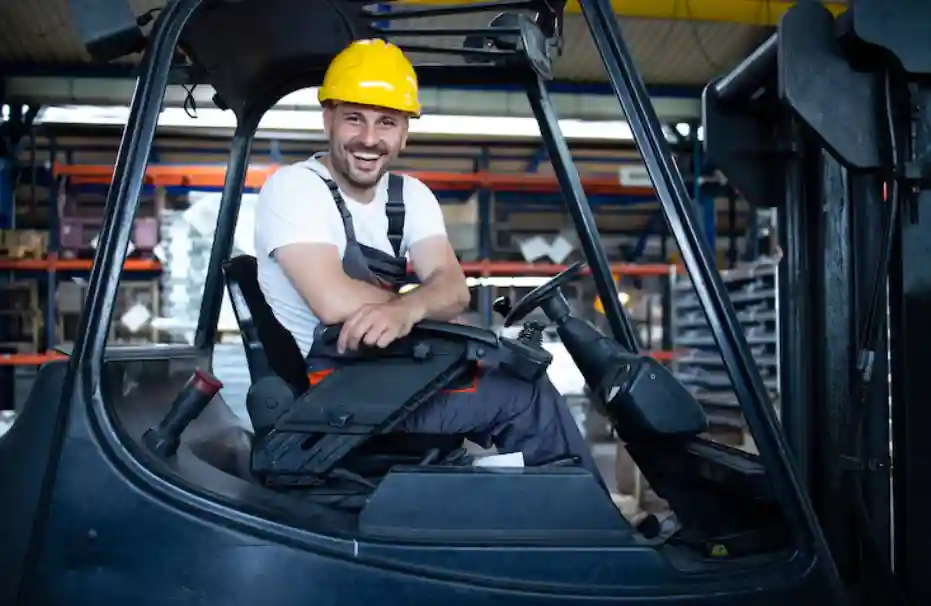
Forklifts play an important role in warehouses, construction sites, manufacturing facilities, and distribution centers. Operating a forklift may seem simple, but it requires proper skills, knowledge, and attention to safety. Without the right training, operators can put themselves, their coworkers, and company property at risk. This is why enrolling in a forklift driver training course is an important step for anyone who wants to become a skilled operator. Proper training not only improves safety but also helps build confidence and responsibility in the workplace.
Understanding the Basics of Forklift Operation
A forklift is a powerful machine designed to lift and transport heavy loads. Before operating one, it is important to understand its controls, functions, and limitations. A professional forklift driver training program teaches operators how forklifts work and how to use them correctly.
Training covers topics such as steering, lifting techniques, load balancing, and maneuvering in different environments. By learning these basics, operators gain a strong foundation that helps them perform their duties safely and efficiently.
Building Confidence Through Practical Experience
One of the biggest benefits of forklift driver training is the opportunity to gain hands-on experience. Practical training allows learners to operate forklifts under the guidance of experienced instructors.
As trainees practice driving, lifting, and moving materials, they become more comfortable with the equipment. This experience helps reduce nervousness and uncertainty when operating a forklift in real work situations. The more familiar operators become with the machine, the more confident they feel performing their daily tasks.
Improving Workplace Safety Awareness
Safety is one of the most important aspects of forklift operation. Accidents involving forklifts can result in injuries, equipment damage, and costly downtime. Training courses focus heavily on safety procedures to help prevent these incidents.
Operators learn how to inspect equipment before use, identify workplace hazards, and follow proper safety regulations. They also learn how to handle loads safely and maintain awareness of pedestrians and other vehicles. This increased safety knowledge helps create a safer working environment for everyone.
Developing Responsible Operating Habits
Responsibility is a key quality of a successful forklift operator. Training programs teach operators that their actions have a direct impact on workplace safety and productivity.
Through forklift driver training, individuals learn the importance of following company policies, respecting load limits, and performing routine equipment checks. These habits encourage operators to take ownership of their responsibilities and make informed decisions while working. Responsible operators are more likely to prevent accidents and maintain equipment properly.
Enhancing Efficiency and Productivity
Well-trained forklift operators can complete tasks more efficiently than those who lack proper instruction. Training helps operators understand the best techniques for handling materials, navigating workspaces, and organizing loads.
When operators know how to use equipment correctly, they can complete tasks more quickly while maintaining safety standards. This increased efficiency benefits both employees and employers by improving productivity and reducing unnecessary delays.
Increasing Career Opportunities
Many employers prefer or require certified forklift operators. Completing a recognized training course demonstrates a commitment to safety and professionalism. It shows employers that an individual has the necessary skills and knowledge to operate equipment responsibly.
For job seekers, forklift driver training can open doors to employment opportunities in industries such as logistics, warehousing, construction, and manufacturing. Certified operators often have a competitive advantage when applying for positions that require material-handling skills.
Conclusion
Forklift operation involves much more than simply driving a machine. It requires knowledge, skill, safety awareness, and responsibility. A quality forklift driver training course provides the education and practical experience needed to become a confident and capable operator. By improving safety knowledge, developing responsible habits, and enhancing workplace efficiency, training helps individuals succeed in their roles while creating a safer environment for everyone. Investing in proper training is an investment in both personal growth and long-term career success.