
When you think about preschool, you picture a colorful classroom, tiny chairs, and children singing the alphabet between snacks. The deeper reality of this type of learning offers many benefits, including improved academic performance, mental and physical well-being, and increased confidence.
If you want your child to stand out among other children, consider enrolling them in preschool. This article will explain the top four benefits of preschool learning for your child’s growth:
Social and Emotional Development
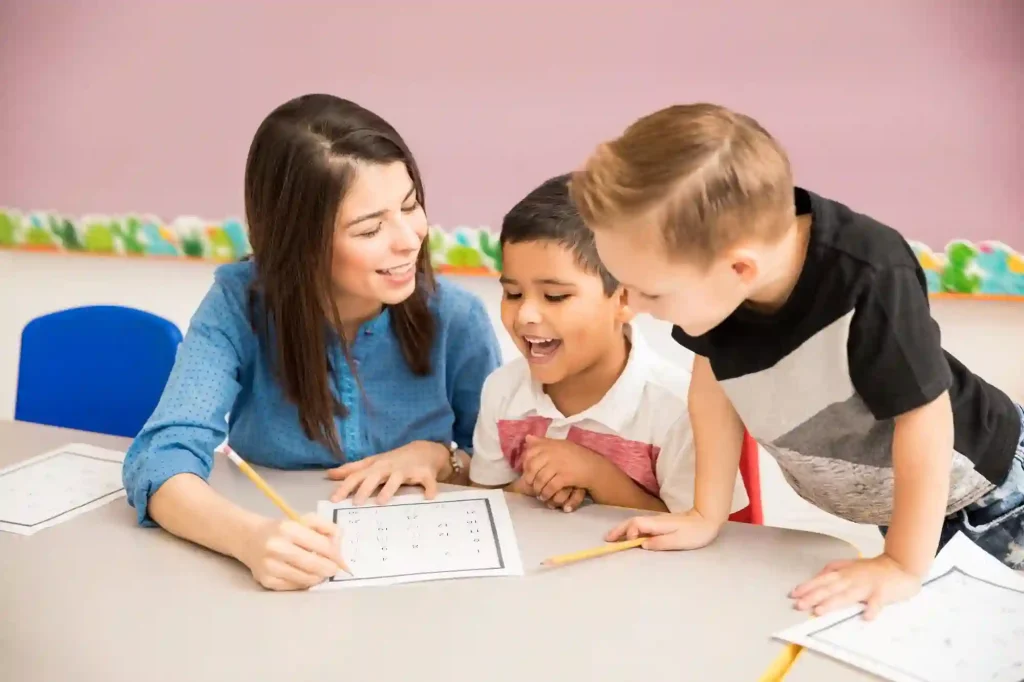
Preschool education allows children to play and learn in groups that foster socialization. They learn teamwork, sharing, cooperation, and empathy, which help in their future lives. Group playing helps emotional awareness and learning from experienced teachers.
Learning with play improves focus and reduces anxiety and stress in children. This foundational experience helps them navigate friendships, develop a positive self-image, and manage emotions throughout their lives. These skills are built through playful activities, consistent routines, and modeling by caregivers and educators.
Cognitive and Academic Readiness
Preschool learning also helps to improve cognitive skills through creative, hands-on activities. Curiosity drives learning and encourages children to think about how to solve problems, thereby developing problem-solving skills. Also, preschools offer foundational academic learning that helps children perform exceptionally well in class. Transitioning between structured activities teaches children how to focus and follow directions.
Moreover, a preschool environment helps children adopt a more playful, less academically rigid approach. This improves your child’s ability to perform more challenging tasks, such as solving puzzles or educational problems.
Build Physical and Mental Development
Preschool is not only about academics; it also fosters physical and mental development. This education allows children to play games, run, and climb, which helps to boost their muscle strength. When they jump, their bodies move, which is good for physical and mental health. These physical activities also prevent kids from health issues such as heart disease and obesity.
On the other hand, a strong body has a strong mind. Physical activities and group learning can improve socialization, which reduces stress among children. Developing friendships, working in a team, and sharing are things that children can learn in preschool. Playing with peers helps them to forget day-to-day issues and reduce stress levels, which is good for their mental health.
Build Confidence and Independence
Enrolling your child in preschool means they spend much of the day away from home. When this education starts early and supports kids outside the home, it helps them adjust to kindergarten. Spending a few hours each day in a new environment fosters confidence and enables them to work independently. At the same time, children discover new skills.
Moreover, teachers give children the choice of which game they want to play or which activity they would like to do. This helps develop their decision-making skills. By doing this, the child can pursue their desires and satisfy their interests. This helps to develop self-confidence, and they start to trust their own ideas and discover the power of making decisions.